060* Cooking Out


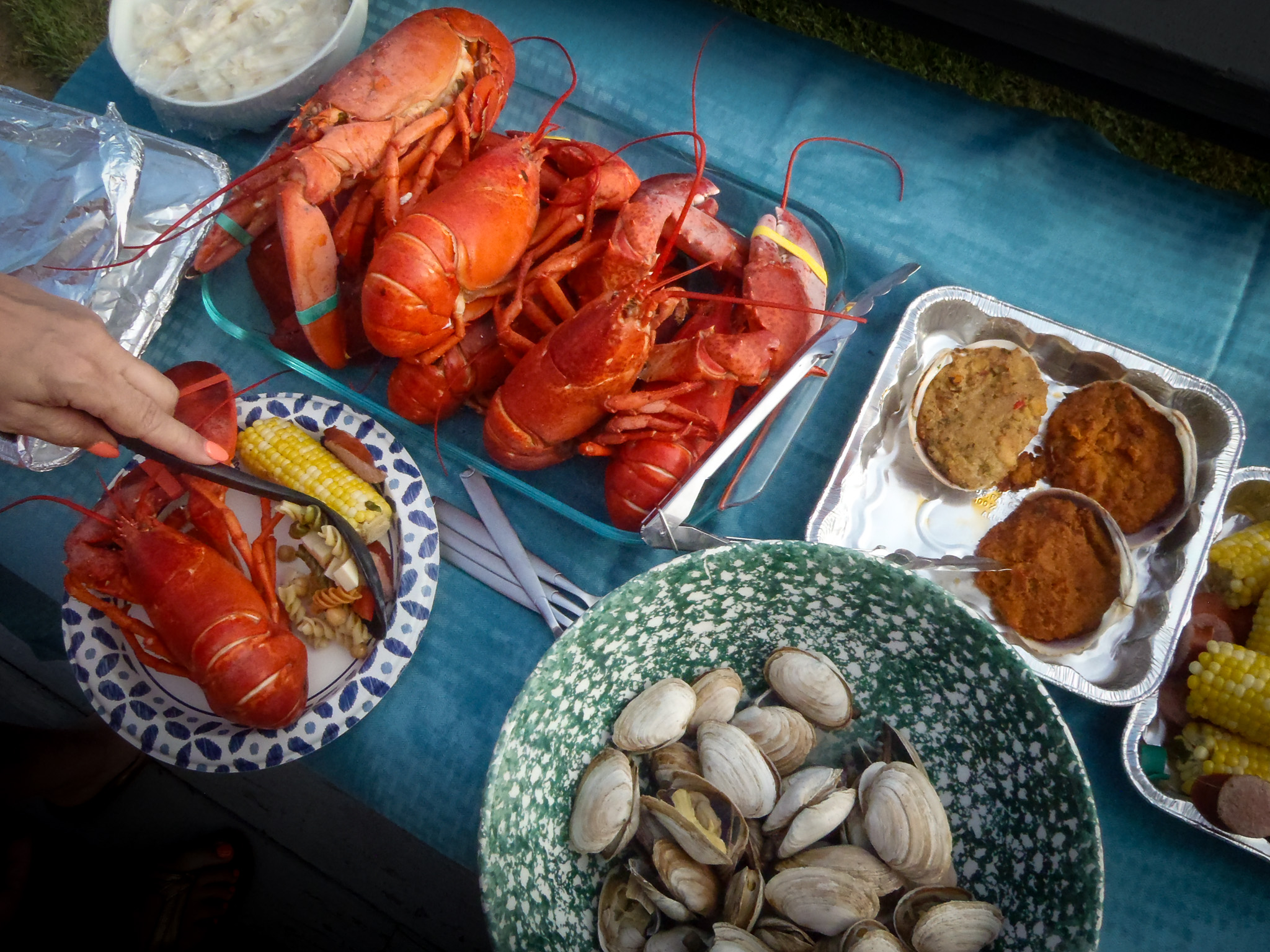
The Rhode Island summer cookout: fresh lobsters, stuffies, steamers, corn on the cob, pasta and potato salads, soupy, and more…… a feast for the eyes and the stomach. Family and friends gather to eat, drink, and relax together, late into the night. A chance to reminisce about fond memories and to make new ones. Dancing, hugging, singing, and some drunken antics are common as we celebrate each other’s company.

Also–an invitation to Stefan to join in the fun for an October clam-boil!


9GR8+64 Narragansett, Rhode Island

059* Afforested Deserts

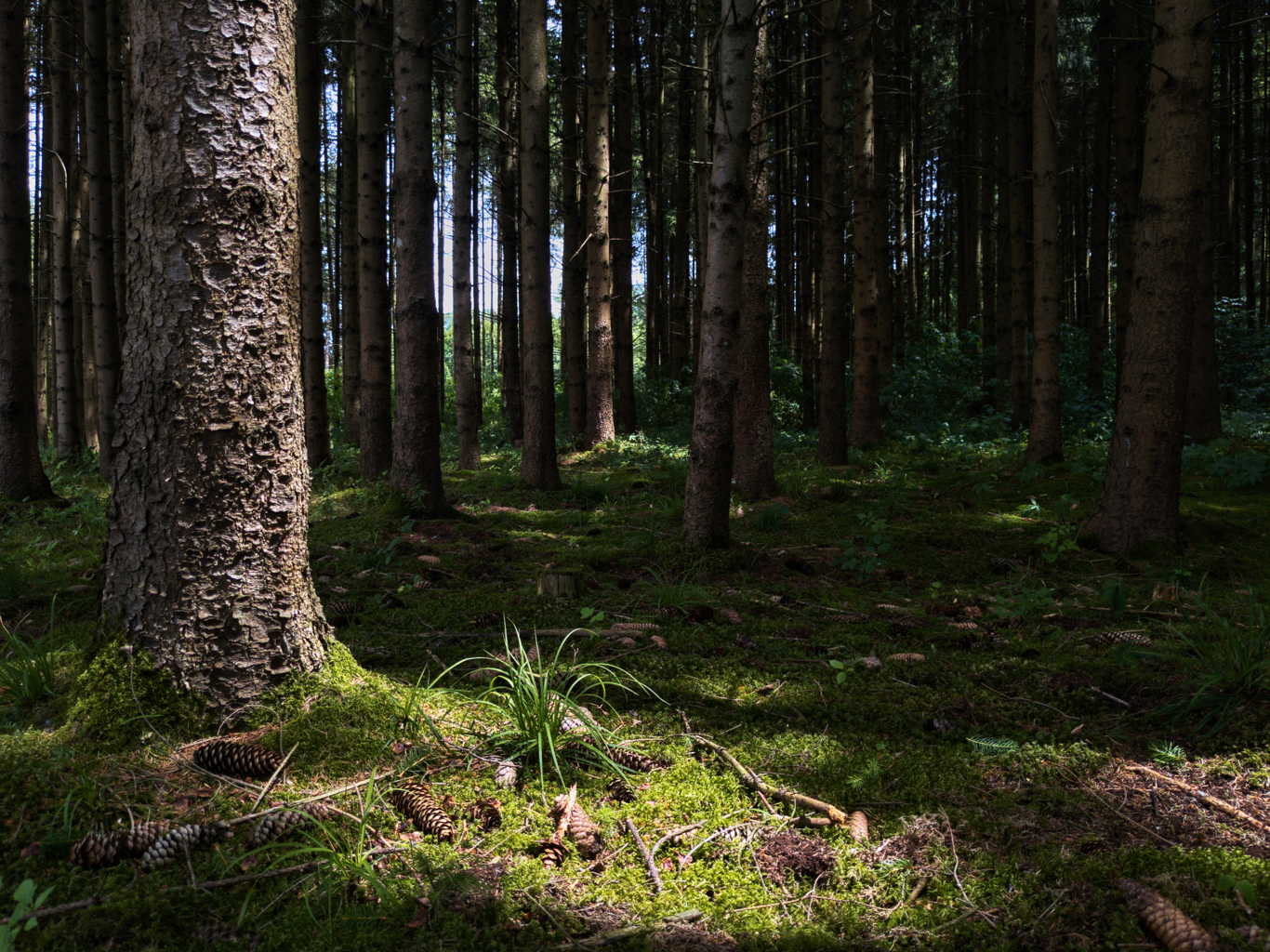
I am totally aware of that paradox between the title of this week’s post and the general absence of any sand, dunes or all the other commonly known appearances of a place that’s called a desert. But the idyllic scenery from above’s image is hiding something, has a hidden layer below these rich and saturated greens. Or to connect it with some popcultural quote from David Lynch’s Twin Peaks series: “The Owls are not what they seem.”.

Such places are indeed referenced as “a Desert of Spruces” by local forest rangers – a name, a term that might certainly be good contender for any national competition about which word or neologism has the most authentic mood and mindset typical for us Austrians inside. It’s got that bleakness, that bittersweet irony inside. Also that kind of humorous self-awareness. To name a few.

Actually professional woodworkers and biologists have been using that name for such places simply because many of these were artificially forested decades ago – solely due to economical reasons, unaware of what unwanted, ecological sideeffects might come along with that kind of attitude. Like monocultures being a feast for parasites. Or that Spruces have already become one of the first victims of climate change over here in Austria.

Now, years and years after that trend began, ideologies have changed and many things have been learned. Diversity is the way. May these unique places, these deserts be enjoyed for as long as they’re still here.

3X4F+VQV Eberstalzell

058* The Studio Next Door

I’ve heard a lot of people say that the arts are not a way to make a living. It’s not a viable career, you’ll never get anywhere, you won’t make money, better to get a “Real Job.” These people say that art isn’t necessary for survival–it doesn’t sustain you like food, provide shelter like a home, or get you things like money.

But just imagine a world without art. No music, movies, literature, poetry, advertisements, greeting cards, museums, galleries, concert halls, radios, television, Instagram–nothing! What kind of life would that be? Art heals. It brings joy, peace, relaxation, community, entertainment, therapy, knowledge, and so much more to our lives. I would argue that we need art as much as we need food and shelter.

I love my job. And I’m making it work for me, despite what the non-believers have told me. The next time you pass by a gallery, stop in, take a look around, and think about how meaningful it all is. Think of the way it makes you feel to be surrounded by art. Imagine a life without it–and be thankful for the beauty it brings to our lives.


FFJG+45 Kingston, South Kingstown, RI
057* Freshwater Lagoons

I know. Wrong terminology. Awfully wrong. Lagoons are solely found at islands or places connected with the sea. Freshwater lagoons are solely a product of a person’s (me) or a nation’s (Austria) collective mind that’s obviously very envious of any other places or countries that are truly located next to or within an ocean (yes, this also includes you, Rhode Island).
But despite that little geographical lack there are quite a few other unique places, other freshwater-y miracles Austria can showcase – like this strangely unique place from within Upper Austria that’s got a prominent place in the hearts of both riverbed hikers and/or lovers for historical hydroelectric power stations.

2Q8X+FP7 Traunfall, Desselbrunn

056* Quintessentially New England

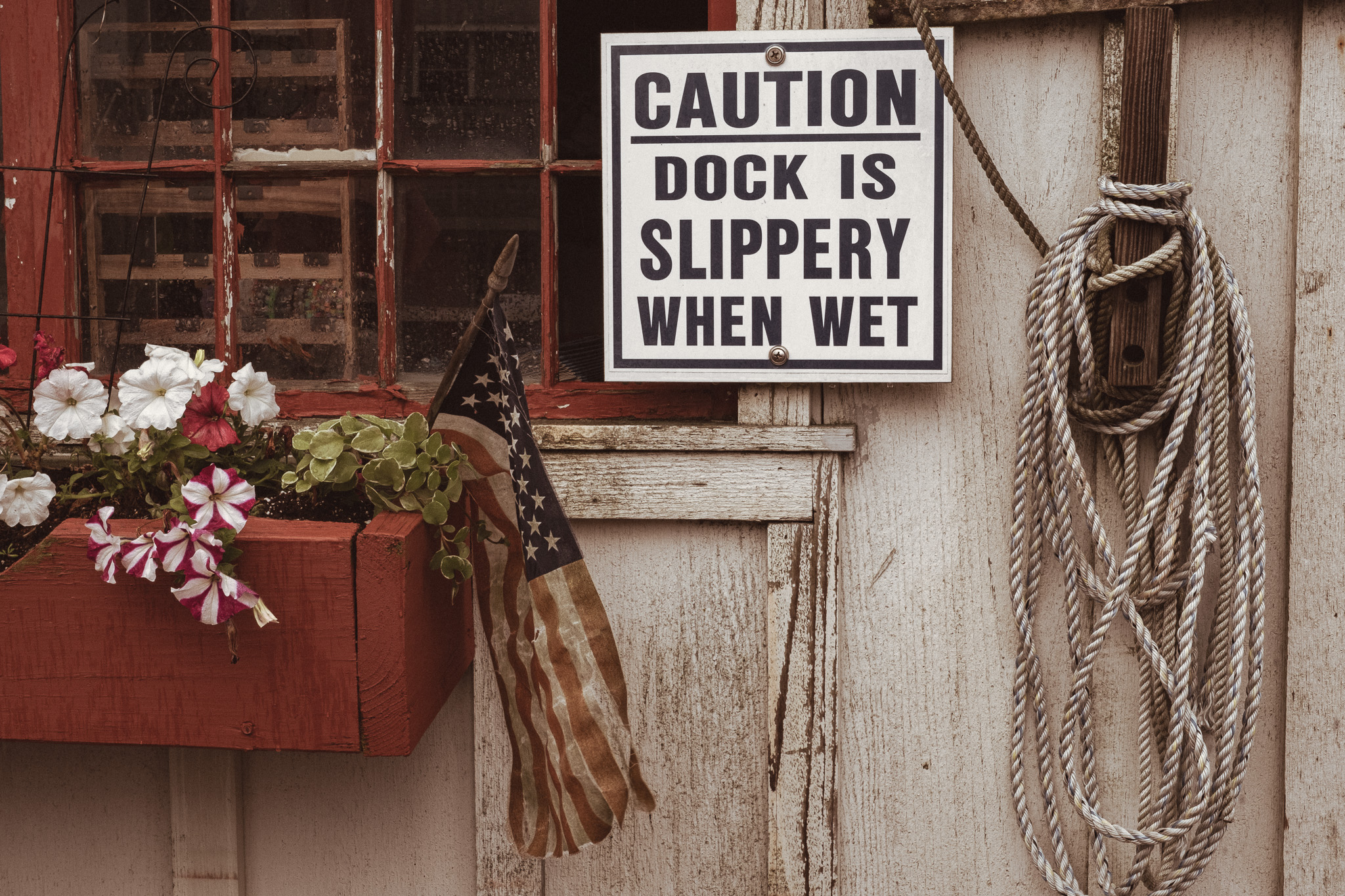
On cool summer days when the rainclouds roll in and thunder booms in the distance, only the truly dedicated make it outside to the coast: those few fishermen, beach bums, and photographers who don’t let the rain get in the way of doing what they love. New England is known for its unpredictable, sometimes wild weather–rain one minute, sun the next; 90 degrees one day, 40 degrees the following; and we can always count on an incorrect weather forecast. While I may prefer these dark and moody days, I have learned to always make the best of whatever comes my way and to work with what I have. Sometimes the best experiences happen during the worst weather!

9FHM+3P Narragansett, Rhode Island

055* Panasian Hot Mess

Part of me says that it’s some kind of national treason that it’s not a Schnitzel or an Apfelstrudel (the overall maybe most famous of all Austrian dishes worldwide) that’s featured in my very first food-related post here on our blog! But then our blog is all about authenticity and then there’s also the personal credo of mine to try to bring any lesser known things or good story into spotlight. This time it’s about not any Hot Mess but a Panasian Hot Mess!

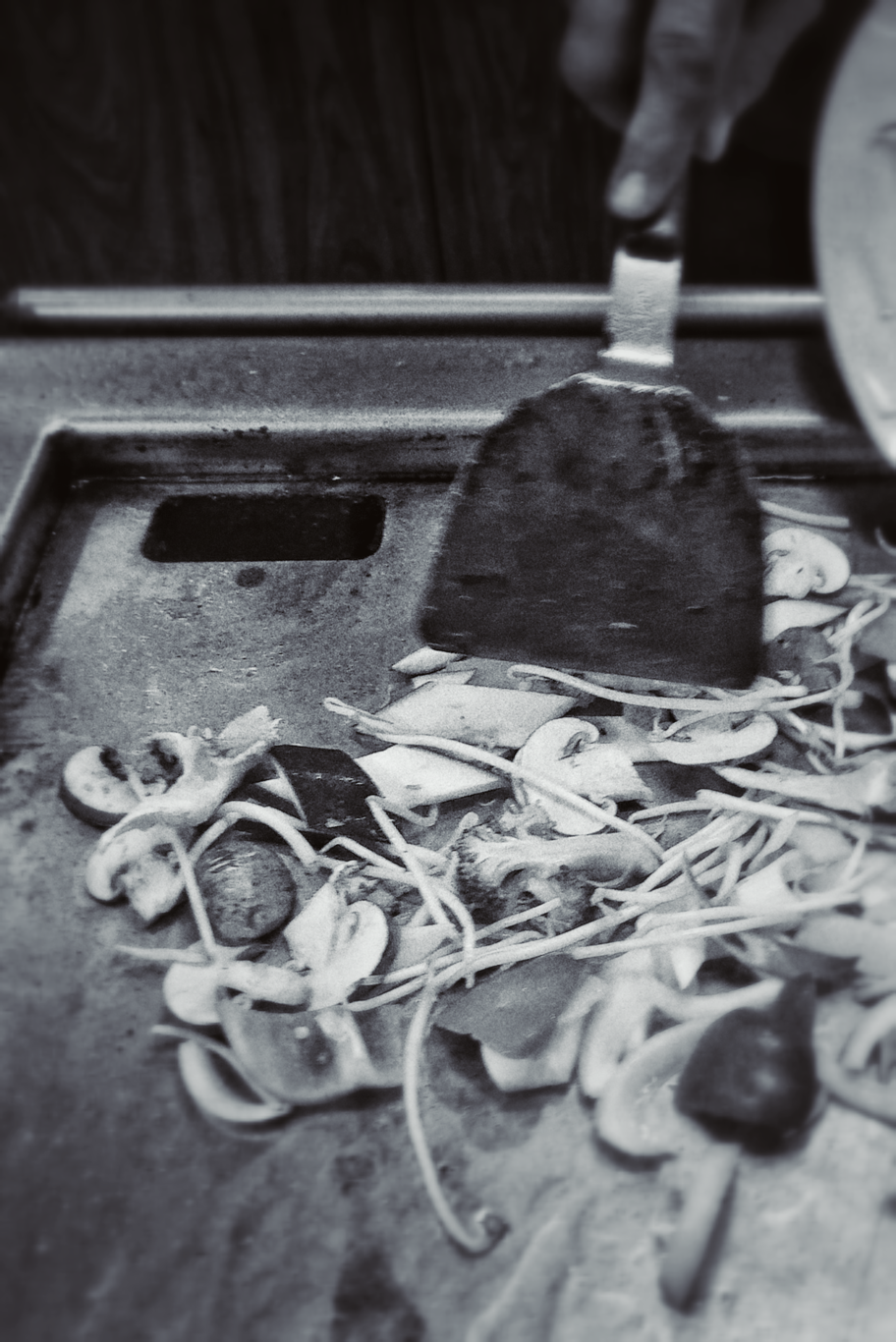
Over the years it has become a longstanding, regular tradition among friends and fellow colleagues to bring a rough day or week to a good, celebrative and pleasing end by meeting at a local Asian restaurant to enjoy together some special “Teppanyaki Magic”.

Vegetarian, beegan, pescatarian or carnivorous – everything’s fine, everybody is welcomed to find his or her “uniquely perfect mess” of fruits, vegetables, sidedishes and many more things. After that it’s when the “transformative magic” sets in: raw and courageously mixed-together, eadable components get turned into individual and delightful dishes. And worn-out, hungry souls become a bunch of talking, laughing and deeply satisfied beings again. “Good Food and drinks are what holds body and soul together.” is one of the most overused German sayings by the way.

Oh, and is it true that Chinese/Panasian buffets were invented and brought over to Europe from the U.S.? At least that’s what I’ve heard from multiple different sources over the past few years. Either way & from whatever country it might have originally come from: praise to the people who came up first with that truly glorious, culinary idea!

423Q+8X Steinhaus bei Wels

054* Rhode Island Agriculture


One of my favorite parts about looking at Stefan’s blog posts is checking out the map of the location of his photo. I am often in awe of the huge amount of farmland in Austria. Rhode Island is not exactly known for it’s agriculture, but it does play a part in daily life here. There are farmers markets all over the state, bumper stickers adorn cars saying “No Farms, No Food,” and there are some surprising facts about farming in the state which I will share here.

About 60,000 acres of land in Rhode Island is considered farmland–10% of the total area of the state.

Out of the 50 states, RI comes in at #49 in agricultural exports.

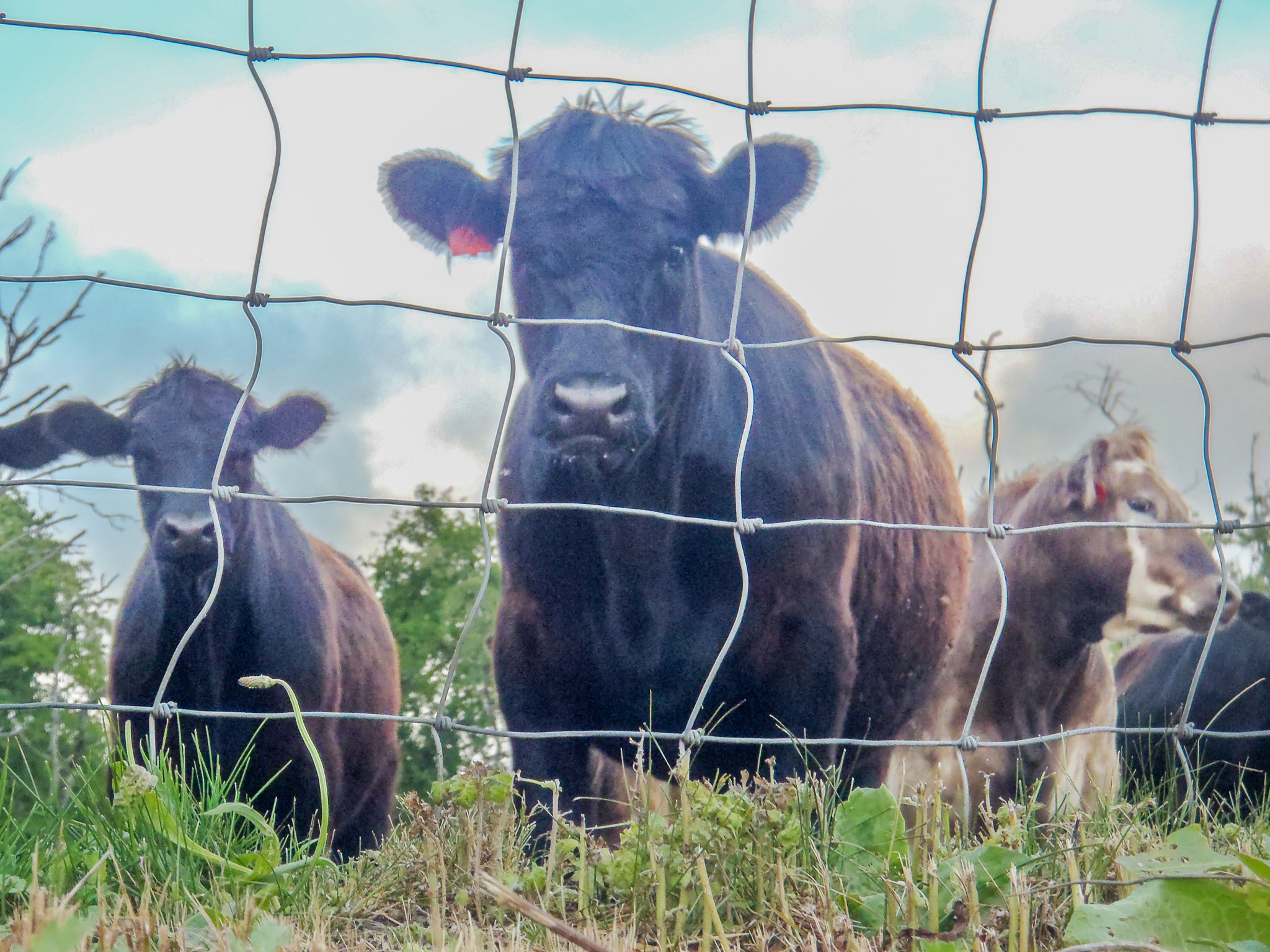
There are farms for cattle and other livestock, like the one pictured here, as well as dairy, produce, plant nurseries, honey, and even oysters–in fact, RI aquaculture farmers harvest over 8.2 million oysters each year.

There are 1,100 farms across RI out of the 1,214 square miles that make up the state. For a girl who’s lived most of her life in such a tiny place, that sounds like a lot. I wonder how other parts of the world compare?


CG4C+WC Narragansett, Rhode Island

053* Off into Year Two

This is a very special post for me. It’s my very first one in the 2nd year of the Photograf’in in Two Worlds Blog. During the past week I’ve spent many moments thinking about what photo or motive I’d choose for that very special occasion, one that should not only resemble that unique mood I’ve been enjoying week after week of “feeding” our blog with new content but also that ongoing, reliable excitement of being suprised and amazed about all the wonders Sarah has been coming up on the other side of the Atlantic Ocean.

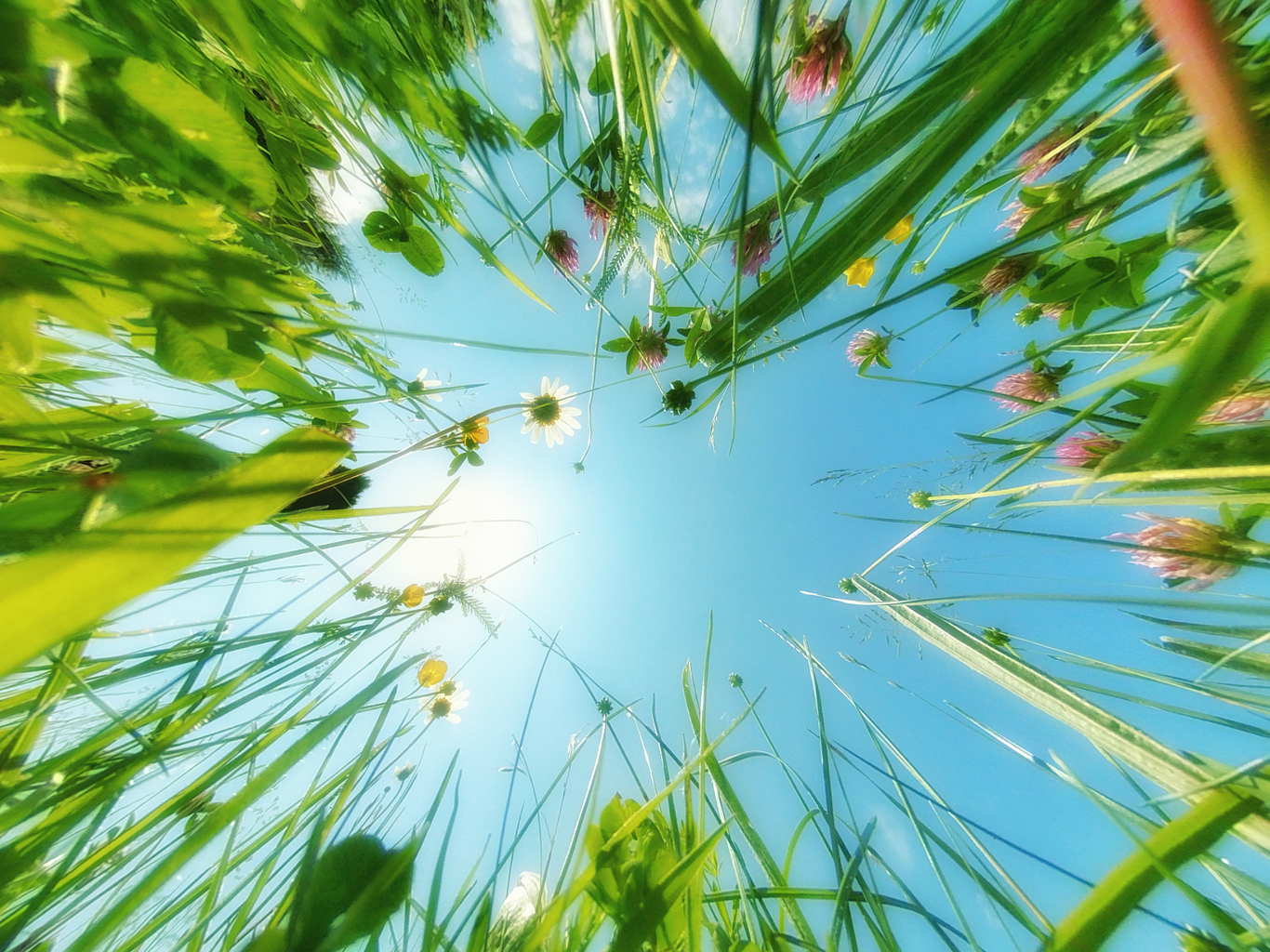
In the end my unlikely guide to my anniversary post was my nose or better to be said: my allergy. It’s the colourful, wild meadows that are just like our blog to me: a living and growing thing, colourful, full of different shapes and shades. And a home for all different organisms: may it be insects, dogs or a sneezing “photograf” like me.

I really can’t wait to see what year two might bring for our blog, my inner self and my growing perception of my surroundings and Austria in general!


3WPW+FGG Fischlham

052* Explaining Buddhism to a Child


A child wants a Nintendo. He begs his parents for it, but they don’t want to buy him one. He tells them he will never ask for anything ever again. They give in, and get the boy his Nintendo.

A few weeks later, he wants a new game to play. He begs his parents, but they don’t want to buy him one.
“You said the Nintendo was the last thing you would ask for.” 
“Well, this time I really will never ask for anything ever again.”
They give in, and get him the game.

After a few more weeks, the child wants another new game. He begs his parents for it, but they don’t want to buy him one. The cycle continues…..

Buddhism is about breaking that cycle of want.


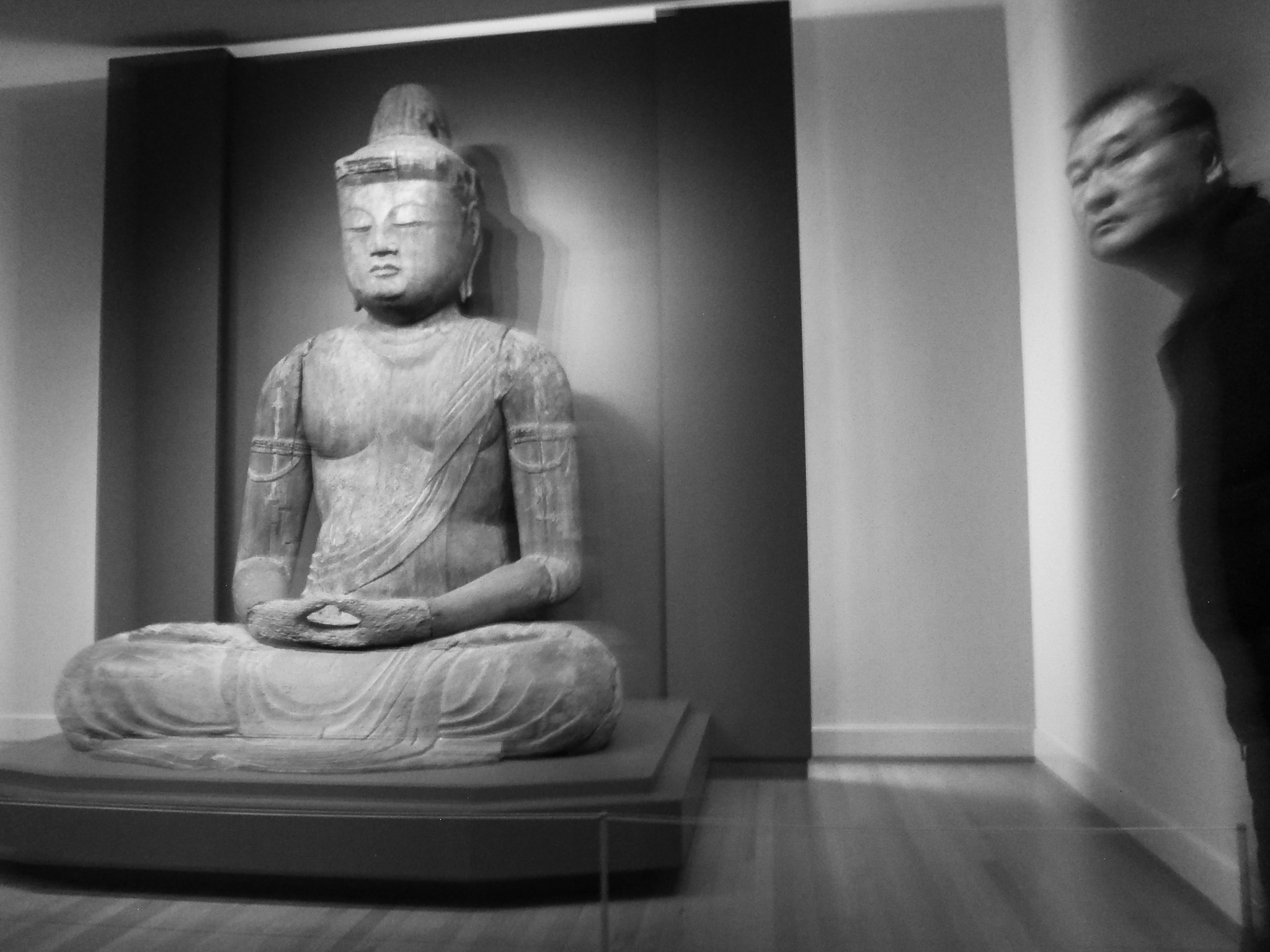
This larger-than-life Buddha statue rests at the RISD Museum in Providence, RI and is an incredible sight to behold. Thank you to my friend Matt for telling me this story which was told to him as a child when he first visited the museum. I love hearing the stories that stick in a person’s memory, ones which change how they see the world or open their mind to new concepts. I was introduced to Eastern schools of thought much later in life than Matt, but these philosophies have had a profound influence on my life just the same.

And of course, I have to acknowledge that this blog post marks 1 year of Photograf*in: Two Worlds. Today I will toast to many more years of exploring the world around me, appreciating the little things, and learning about far-away places.


RHGR+FQ Providence, Rhode Island

051* How?

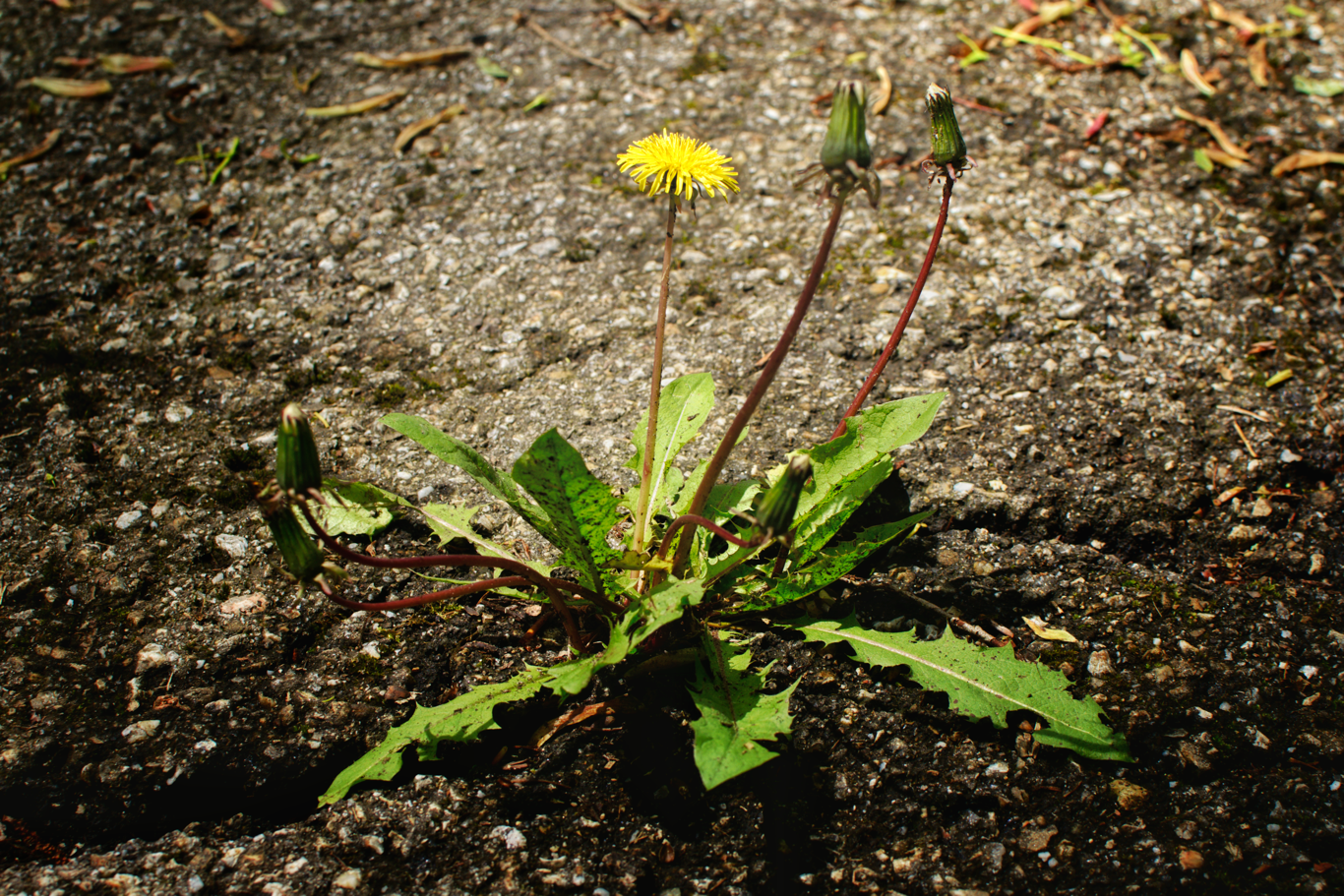
A dandylion growing through conrete. A symbol that sits deep within me. Not so much in a metaphorical way but more due to me growing up with a very special and still so very close to me children’s programme series called “Löwenzahn” (dandylion). It’s about a man who decides to give up living in an ordinary house and who’s instead building his new home by upcycling an old, blue construction trailer in a garden. One of his motivations for doing that is that he wants to learn more about and understand nature, life, civilization and everything up and down and left and right of his new place of living.

In hindsight “Löwenzahn” was a truly progressive, maybe even “oracular” series for both children and grown-ups:  taking away modern trends like “Tiny Houses”, “Recycling and Sustainibility” or simply understanding and living with and within nature again – decades before these were (re-) discovered by society.

What remains is the question: How can it be that (not only) dandylions can drill, push, grow, split, crack through concrete anyhow? Well…I don’t know! And that’s maybe even the most exciting thing about that little obsveration! I bet it has certainly to do with endurance, persistence and generally nature’s miraculous will to just get some nice and steady sunlight. But is that right? Mhm. Getting off to Google now to finally let this “totally childish” question be answered by a proper online Encyclopedia!

XRQ5+M35 Kohlwehr, Ohlsdorf